
PAIN
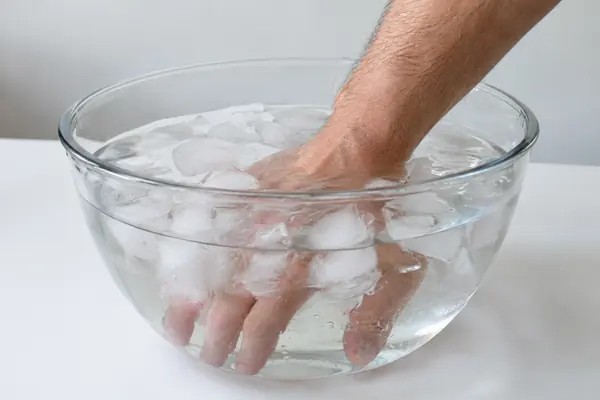
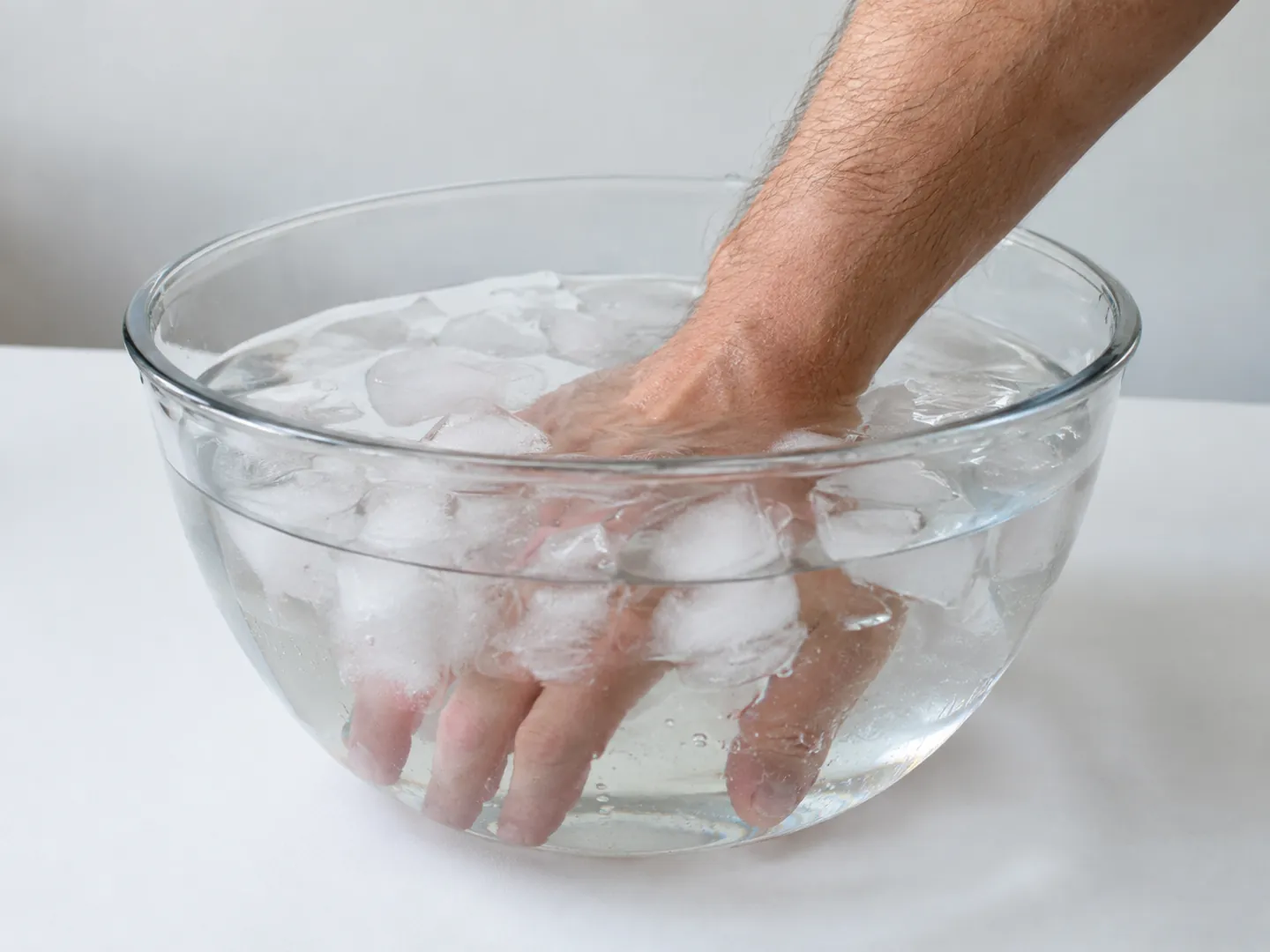
Swearing in ice water
Keele University studies found repeating a swear word increased how long people could keep a hand in icy water, compared with a neutral word.
Check a yell
WHAT THE RESEARCH SAYS
+33% pain tolerance
AI-generated image, not a photograph of a real person or place.
Stub a toe and the words come out on their own.
Psychologists have tested what that yell does. In lab studies, swearing helped people put up with pain for longer, and grunting tennis players hit the ball a little faster. The effects are real, modest and come with some surprising catches.
THE SHORT ANSWER
Three findings from lab studies
of swearing, grunting and shouting.
PAIN
Keele University studies found repeating a swear word increased how long people could keep a hand in icy water, compared with a neutral word.
Check a yellPOWER
In a small study of 10 college players, grunting increased ball speed by 3.8% without raising the oxygen cost of hitting.
See the numbersTHE CATCH
People who swore more often in daily life got less pain benefit from swearing, suggesting the effect wears off with overuse.
Why it works
FOUR THINGS THE STUDIES SUGGEST
The researchers are careful about mechanisms. These are the explanations they found best supported, and the ones they ruled out.
The 2009 study found swearing raised heart rate, and suggested it may trigger fight-or-flight and break the link between fear of pain and feeling it.
In 2020, distraction seemed of little importance, while emotional arousal was flagged as worth further study.
Heavy everyday swearers got less benefit, consistent with the idea that the effect depends on an emotional jolt.
In tennis studies, an extra sound at contact slowed viewers' responses, and louder grunts made shots seem to travel further.
TWO NUMBERS WORTH KNOWING
One figure from the ice-water test,
one from the tennis court.
33%
Rise in pain tolerance when repeating a swear word
Compared with a neutral word, repeating a conventional swear word at a steady pace and volume raised tolerance of icy water by 33% in 92 volunteers.
PAIN · FRONTIERS IN PSYCHOLOGY 2020
3.8%
Extra ball speed when grunting
Grunting players averaged 83.4 km/h against 80.3 km/h without grunting, in a study of 10 university tennis players.
TENNIS · J STRENGTH COND RES 2014
In the first swearing study in 2009, the effect did not appear in men who tended to catastrophise about pain. Small samples mean these figures are best read as signs, not settled facts.
A QUICK YELL CHECK
Pick a situation that researchers tested to see what they found. The bar shows roughly how big the measured effect was.
Small laboratory studies with healthy volunteers. They show average effects in a test setting, not a way to manage pain. This is general information, not medical advice.
THE GRUNTING DEBATE
A 2010 study played clips of tennis shots with or without a brief extra sound at contact. When the sound was there, viewers were slower and less accurate at saying which side the ball was going.
A 2019 study tested why. Louder grunts made players expect longer shots, but did not increase their errors in a way that pure distraction would predict, suggesting the brain blends the sound with what it sees.
In conversation
In lab studies at Keele University, repeating a swear word let volunteers keep a hand in icy water for longer than repeating a neutral word. A 2020 study found a 33% increase in pain tolerance.
Not in the 2020 study. The invented words 'fouch' and 'twizpipe' were rated more emotional and funnier than a neutral word but had no effect on pain threshold or tolerance.
One study of 10 college players found grunting increased ball speed by 3.8% without raising oxygen cost. Other studies suggest sound at contact can also affect how opponents read the shot.
No, the reverse. A 2011 study found the more often people swore in daily life, the smaller the pain benefit of swearing in the test.
These are small lab studies of short-term pain in healthy volunteers, not treatment advice. Anyone with ongoing pain should follow guidance from a health professional.
Each figure on this page comes from the sources below.
ABOUT THIS NAME
doodleyell.com is part of the DoodleSale portfolio. It isn't in an auction right now, but you can ask about leasing it.